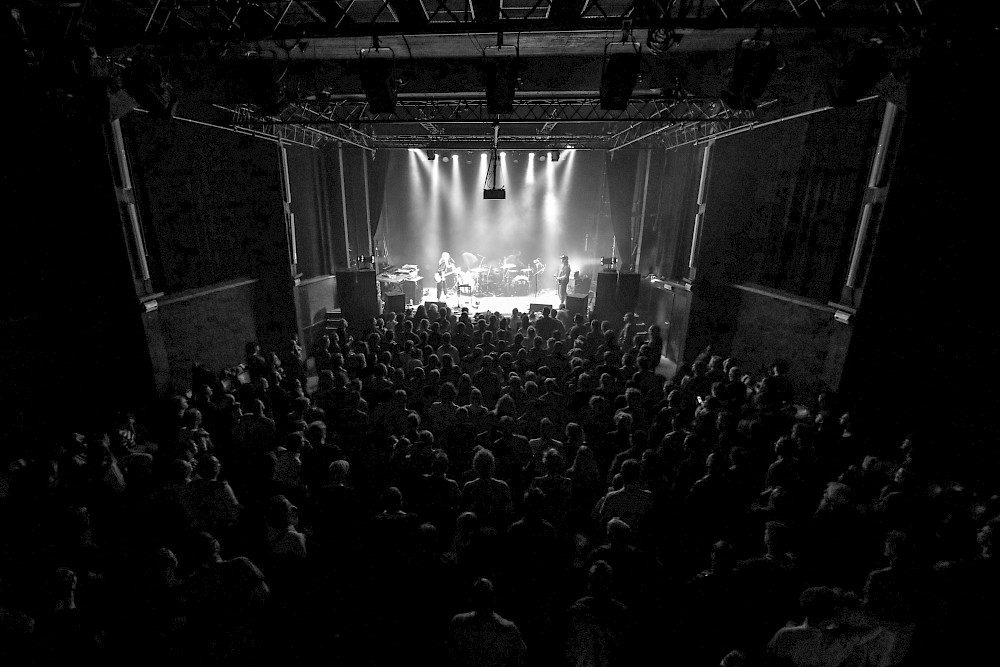
- Concert
- Science & Cocktails
13.01.2027
Science & Cocktails #49
Guy Van Der Sande + I'dont clean the house
» ticketsHoraires
tickets: 12€ (included a cocktail or a mocktail) · doors 19:30
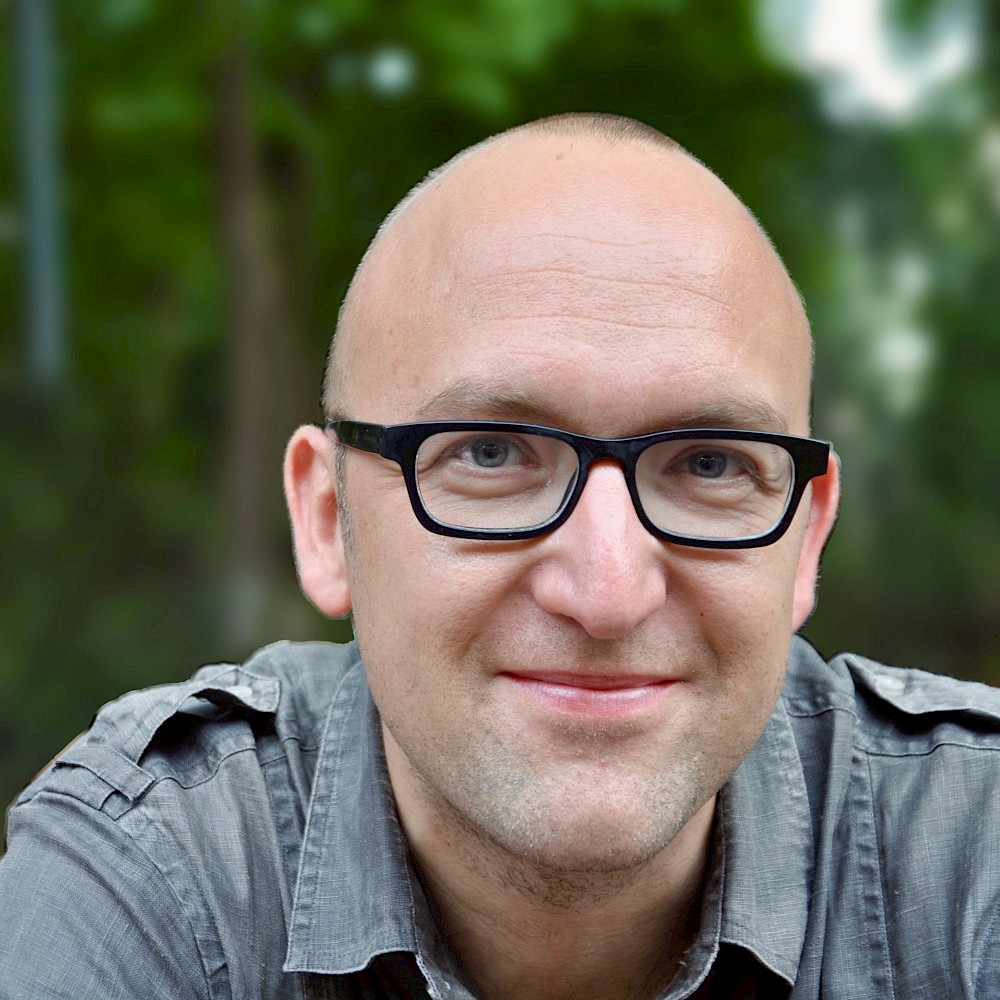
The speaker: Guy Van der Sande
Guy Van der Sande is a professor in the Applied Physics research group at the Vrije Universiteit Brussel (VUB), where he also earned his PhD in 2005. His work sits at the crossroads of photonics, nonlinear dynamics, and brain-inspired computing, exploring how light and physical systems can process information in ways that go beyond how conventional computers work. Over the course of his career, he has worked with research groups in Brussels and Mallorca on the dynamics of lasers, networks of coupled oscillators, and bio-inspired information processing. Alongside his research, he has taught physics and photonics to bachelor's and master's students since 2012, and has authored well over a hundred scientific publications.
Letting Nature Do the Computing: Solving and Learning, the Physical Way
Your laptop solves problems the hard way: one tiny switch at a time, billions of times a second. But some problems just don't want to be solved that way, from untangling complex networks to recognizing patterns the way a brain does. So what if, instead of forcing physics to imitate a calculator, we let physics do the work on its own terms? Guy Van der Sande explores two ways this is already happening: physical systems that solve tough optimization problems simply by settling into their most comfortable state, the way a soap film snaps into the shape that costs it the least effort to hold, and physical systems that mimic the brain itself, using their natural, messy behavior to learn and recognize patterns without being explicitly programmed step by step. Built from light, electronics, or other physical media, these machines don't compute like a normal computer at all, and that might be exactly the point.
Questions:
1. Why are today's computers, for all their speed, actually bad at solving certain kinds of problems?
2. What does it mean to let physics "solve" a problem instead of programming a solution?
3. How can a physical system act a bit like a brain, learning without being explicitly taught?
4. What kinds of real-world problems could this approach help tackle?
5. Is this the same idea as quantum computing, or something else entirely?
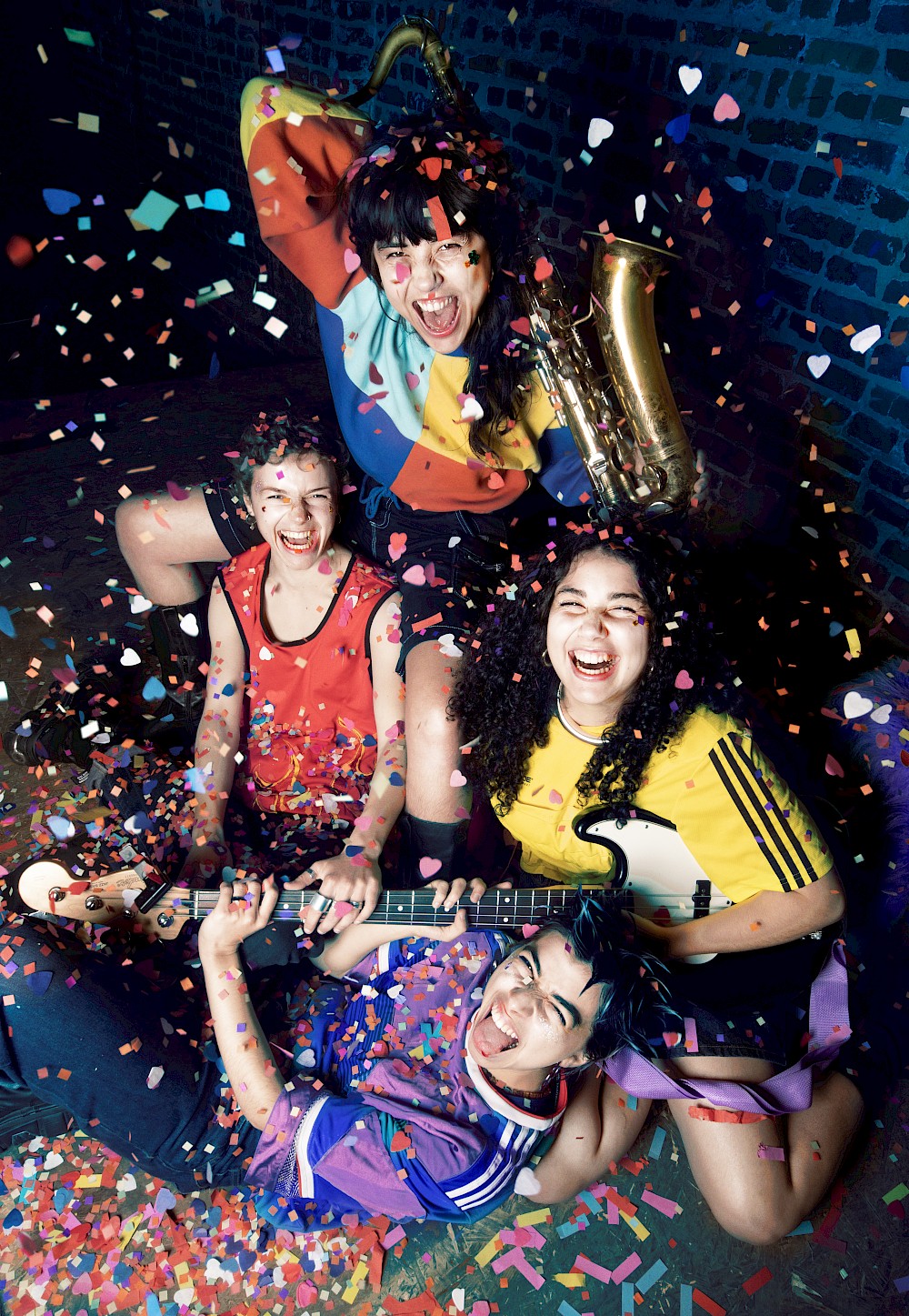
I don’t clean the house (be)
After the talk, a concert with the band I don't clean the house
I don’t clean the house est un projet émergent de house instrumentale féministe belge.
Entre dancefloor et manifeste, c'est une invitation à danser, lâcher prise et renverser les codes. Les « all-women house bands », ça ne court pas les rues. Alors on ne boude pas notre plaisir quand on en découvre un qui renverse les clichés avec autant d'énergie ! Porté par une section rythmique et mélodique puissante (saxo, voix, claviers, basse, batterie), le groupe insuffle une énergie organique capable de tout faire péter.
Un bâton de dynamite, c’est toujours mieux qu’une serpillière pour nettoyer la maison !